These are the men who rose from the tenements and the ghettos, who trained in cold gyms above delicatessens, who fought in front of thousands and carried the hopes of millions. They were not just boxers. They were the sons of immigrants who proved that in America, if you were willing to work hard enough and fight hard enough, you could be a champion.
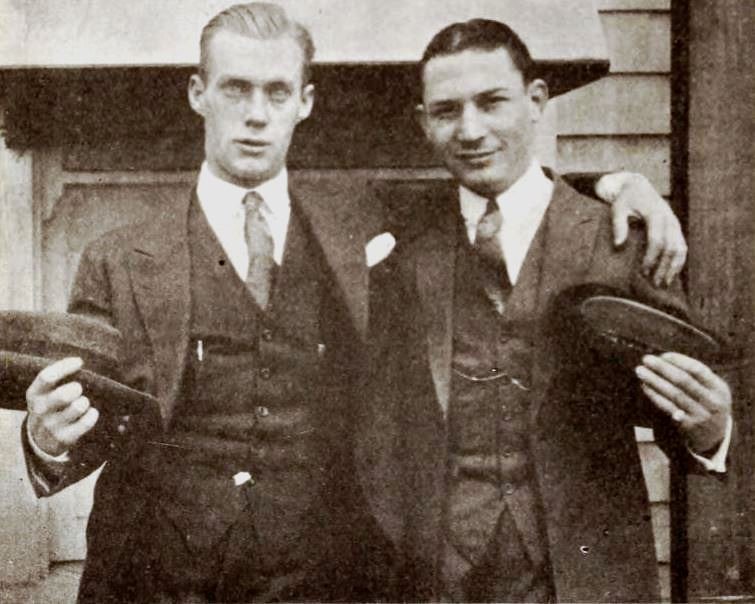
The Ghetto Wizard
BENNY LEONARD
World Lightweight Champion • 1917–1925 • Born: Lower East Side, New York City, April 7, 1896
Benjamin Leiner was born on the Lower East Side of Manhattan, the son of Orthodox Jewish immigrants. He changed his name to Leonard to protect his parents from knowing he was boxing — they disapproved. He turned professional at fifteen, in 1911, and within six years had won the world lightweight championship from Freddie Welsh.
Hall of Fame trainer Ray Arcel, who worked with more champions than any trainer in history, was asked who was the greatest boxer he ever saw. He did not hesitate: "Benny Leonard. He was the best I ever trained." Arcel said Leonard's mental energy surpassed anyone else's — that he studied boxing like a graduate student, watching other fighters for hours, finding weaknesses where others saw none.
Leonard held the lightweight title undefeated for nearly eight years — one of the longest championship reigns in boxing history. He retired in January 1925, his face bearing almost no scars despite 191 professional fights. The stock market crash of 1929 wiped out his savings and forced a comeback, which ended in 1932. He became a referee and died in the ring in 1947, suffering a heart attack while officiating a bout in New York City.
"One night I came home after a fight and my mother was crying. My father started yelling at me. 'Fighting, fighting, fighting for what?' I took out the five bucks I'd earned and handed it to him. He looked at it, smiled and put his arms around me. 'That's all right, Benny. So when are you going to fight again?'" — Benny Leonard
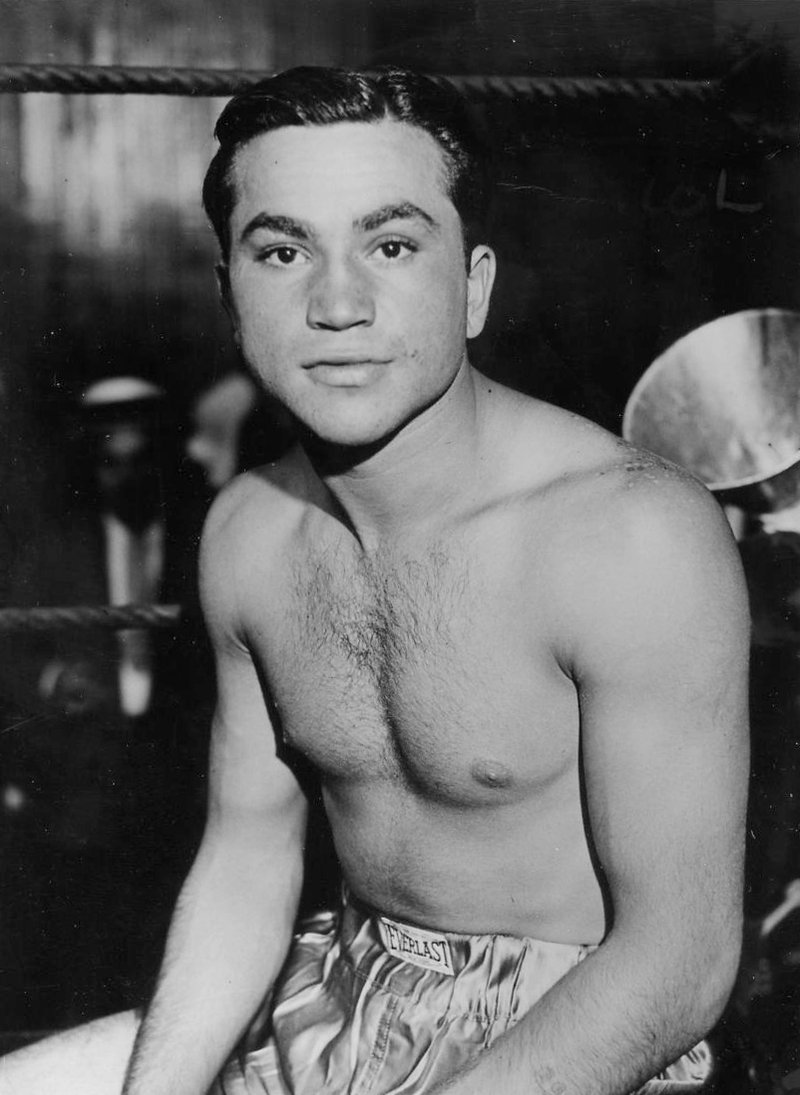
The Pride of the Ghetto
BARNEY ROSS
World Champion — Three Divisions • 1933–1938 • Born: New York City, December 23, 1909
Born Dov-Ber "Beryl" David Rasofsky, Barney Ross was the last great Jewish boxing champion — and one of the most extraordinary Americans of the twentieth century. He held world championships in three weight classes: lightweight, junior welterweight, and welterweight. He was the Pride of the Ghetto, a man who carried the weight of his people into every fight.
In May 1934, as pro-Nazi rallies filled the streets of New York, Ross fought Jimmy McLarnin — a fighter the press had dubbed the "Jew-Beater" for his string of victories over Jewish fighters. Ross said he felt like he was fighting for the entire Jewish people. He won in fifteen brutal rounds. They fought three times; Ross won two.
At thirty-four, too old for the draft, Ross enlisted in the Marines and insisted on seeing combat. At Guadalcanal, though wounded by shrapnel, he held a position alone through the night, killing twenty-two enemy soldiers while saying the Sh'ma and talking to his murdered father. He was awarded the Silver Star. His wounds led to morphine addiction, which he later conquered publicly — becoming an advocate for veterans struggling with addiction.
"Barney only hurt one person in his life — himself. Outside the ring he was a sweetheart." — George Rasof, Barney's brother
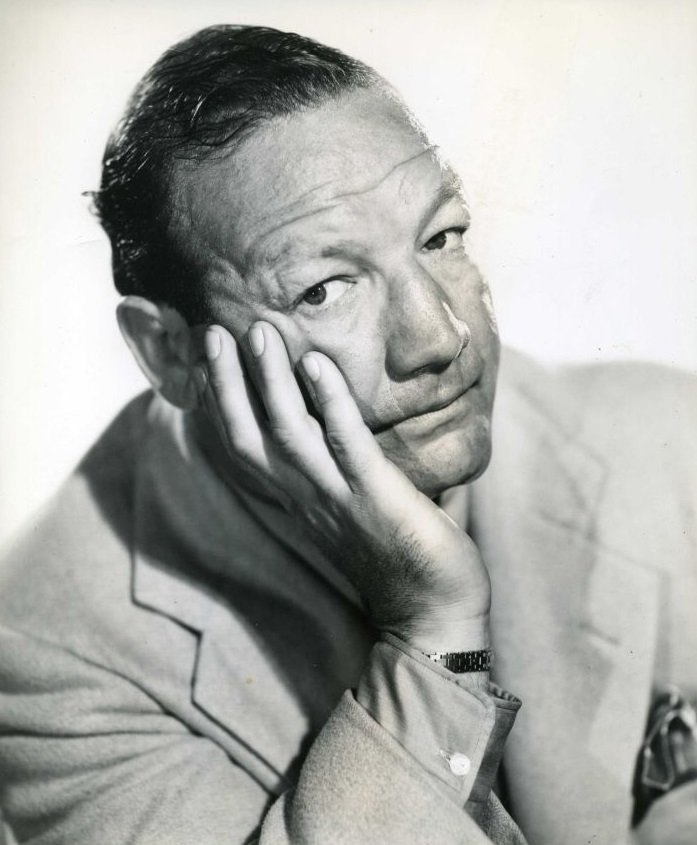
The Showman of the Ring
MAXIE ROSENBLOOM
"Slapsie Maxie" • World Light Heavyweight Champion • 1932–1934
"Slapsie Maxie" Rosenbloom was one of the most beloved and entertaining fighters of the Golden Era. He earned his nickname for his clowning, open-handed slapping style — but behind the showmanship was a brilliant boxing mind and extraordinary durability. He fought 289 professional bouts, one of the highest totals in boxing history.
World light heavyweight champion from 1932 to 1934, he lost his title to another Jewish fighter, Bob Olin. With characteristic good sense, Maxie transitioned to Hollywood after his boxing career, appearing in films and television and becoming a beloved entertainer. He proved that a Jewish kid from New York could be a champion in any arena he chose.
Maxie Rosenbloom was the embodiment of the New York spirit — tough, funny, resilient, and always entertaining. He never stopped fighting, whether in the ring or in front of a camera.
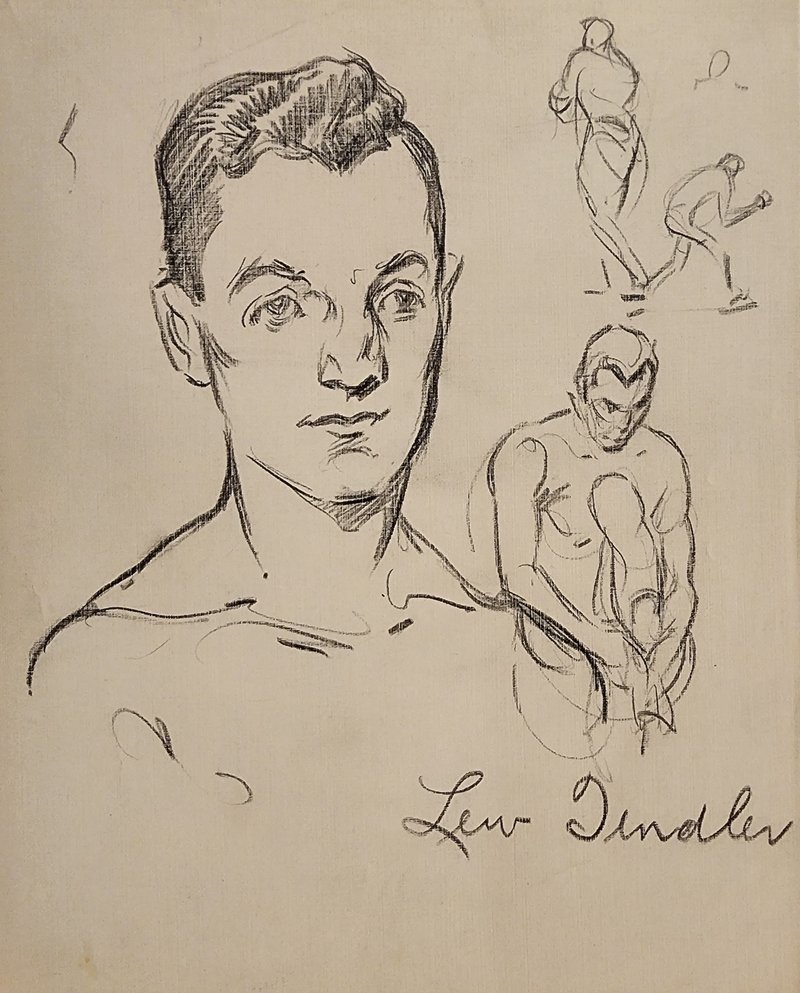
70,000 fans at Yankee Stadium
LEW TENDLER
Lightweight Contender • 1913–1928 • Born: Philadelphia, Pennsylvania
Lew Tendler was the great southpaw who challenged Benny Leonard twice for the lightweight championship, drawing 70,000 fans to Yankee Stadium for their rematch in 1923. He was one of the most dangerous left-hand punchers of his era — a fighter so skilled that Leonard, who rarely struggled, had to call on every ounce of his genius to survive.
Though he never won a world title, Tendler is remembered as one of the finest fighters of the Golden Era. His battles with Leonard were among the most celebrated in boxing history. He was a proud Jew who wore his identity with dignity and fought with everything he had.
The fact that 70,000 people came to watch two Jewish fighters contest the lightweight championship of the world tells you everything you need to know about what these men meant to their community.
The Jewel of the Ghetto
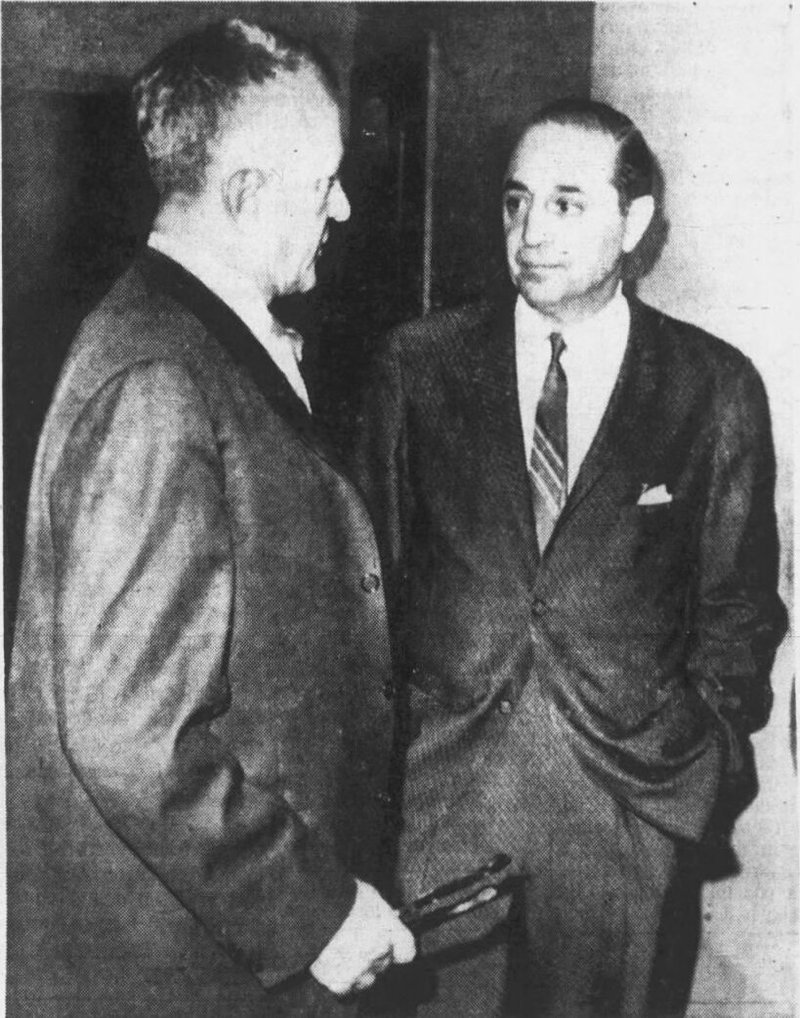
RUBY GOLDSTEIN
"The Jewel of the Ghetto" • Lightweight/Welterweight Contender • 1920s–1930s
Ruby Goldstein was a hard-punching welterweight from the Lower East Side who became one of the most celebrated fighters of his era. Known as "The Jewel of the Ghetto," he was a crowd favorite whose aggressive style and powerful punching made him a star in New York's boxing arenas.
After his fighting career, Goldstein became one of boxing's most respected referees, officiating thirty-nine world title bouts. He was the third man in the ring for some of the most important fights of the twentieth century. His transition from fighter to referee exemplified the intelligence and dignity that characterized the best of the Jewish boxing tradition.
Ruby Goldstein's story is the story of the Lower East Side itself: a boy from the ghetto who made himself into something, who earned respect through hard work and skill, and who gave back to the sport that had given him so much.
The Little Hebrew
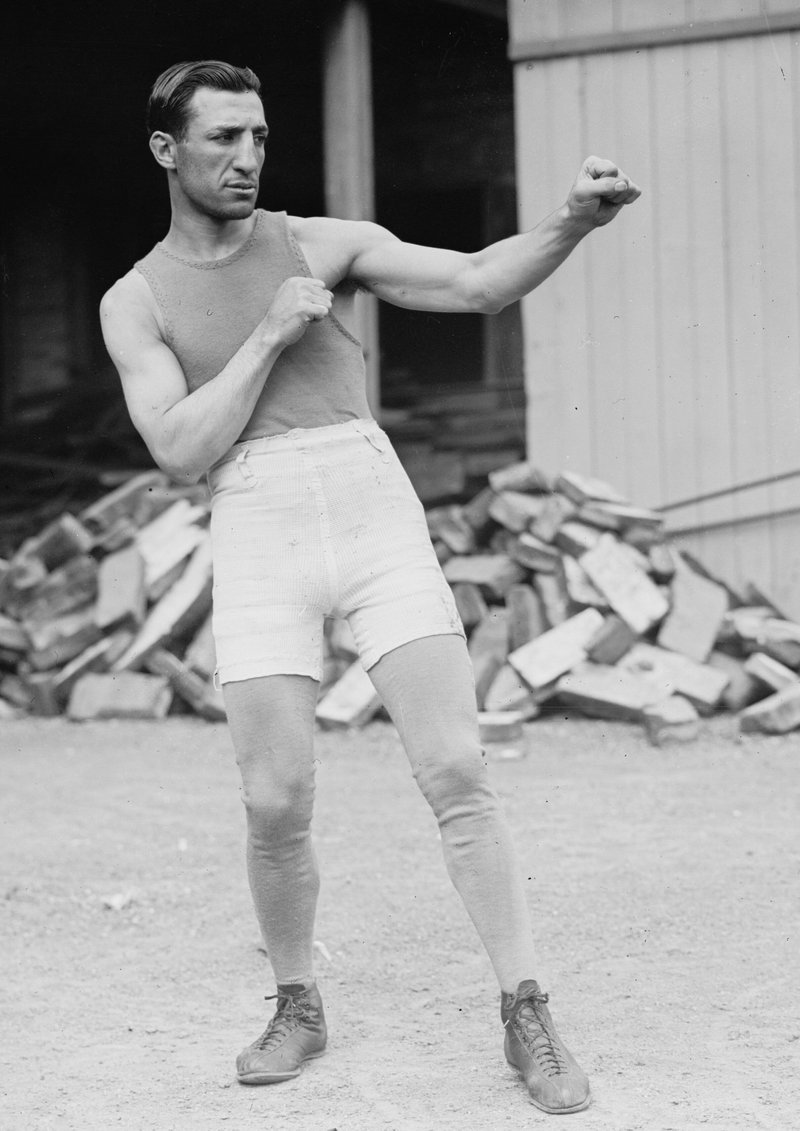
ABE ATTELL
"The Little Hebrew" • World Featherweight Champion • 1906–1912
Abe Attell was one of the first great Jewish boxing champions in America. World featherweight champion for six years, he lost only nine of 172 professional fights. A brilliant defensive boxer, "The Little Hebrew" was the forerunner of the scientific style that would later define Benny Leonard and the great Jewish fighters of the 1920s and 1930s.
Attell inspired a generation of Jewish boys to believe that the ring was their arena — that a Jewish man could be a champion, could command respect, could stand in the center of the ring and be the best in the world. He opened the door that Leonard, Ross, and the others walked through.
His legacy is the legacy of the entire Jewish boxing tradition: that intelligence, skill, and determination can overcome any obstacle — in the ring and in life.